01 — Furniture
DIY Furniture Plans — Tables, Chairs, Bed Frames & Bookshelves
Tables, chairs, bed frames, and shelving units. Four builds with real material costs, cut lists, and build logs from start to finish.
4 projects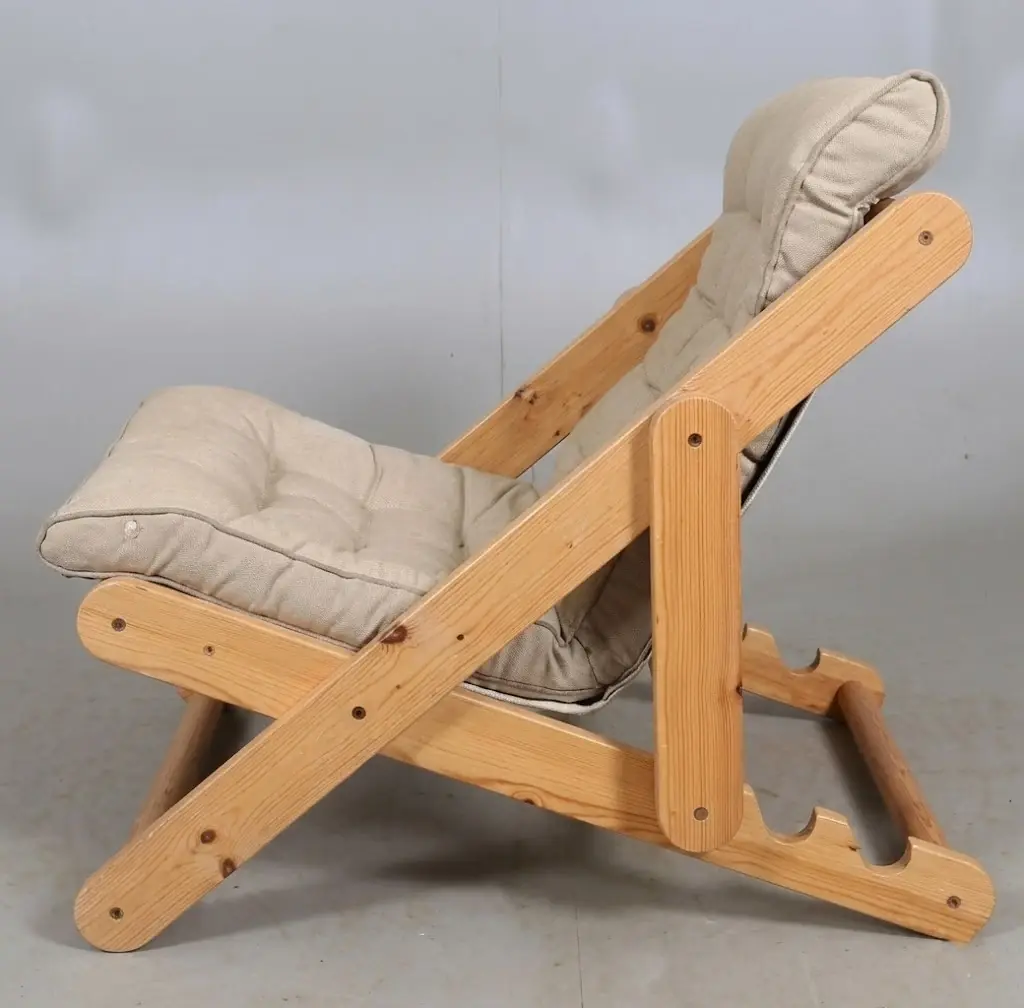
Tables, chairs, bed frames, and shelving units. Four builds with real material costs, cut lists, and build logs from start to finish.
4 projects

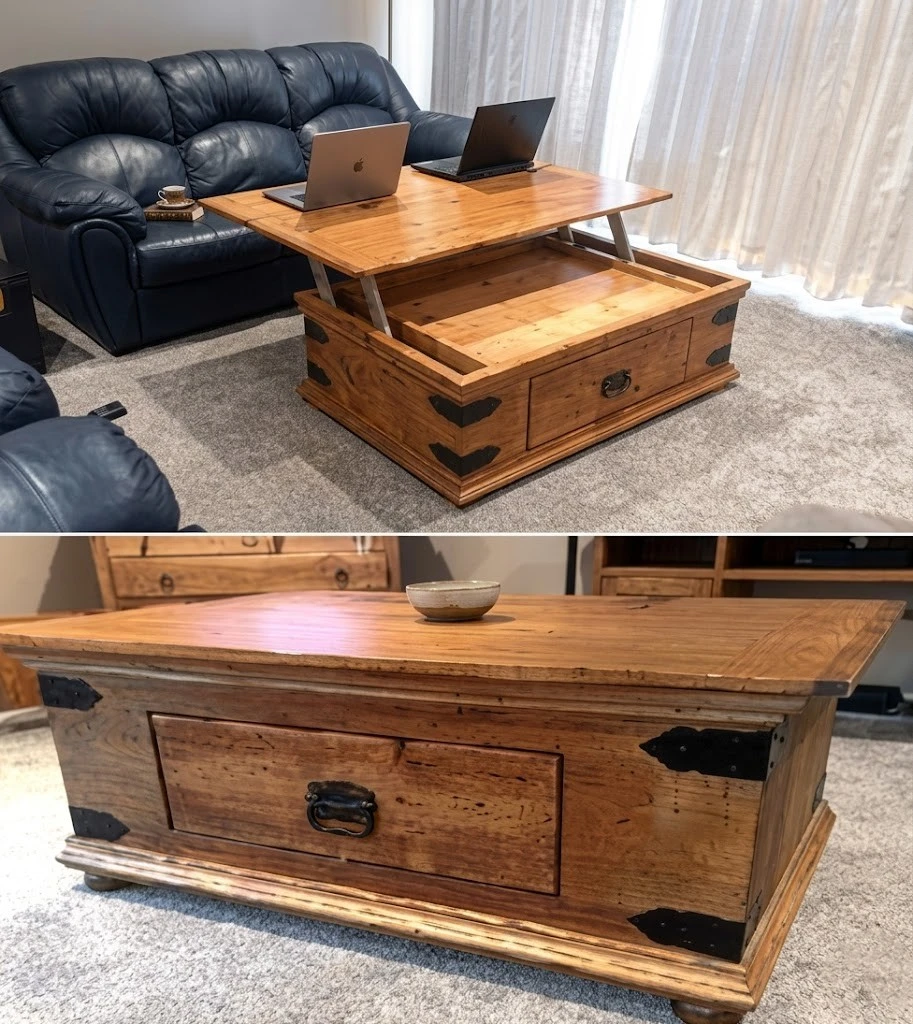
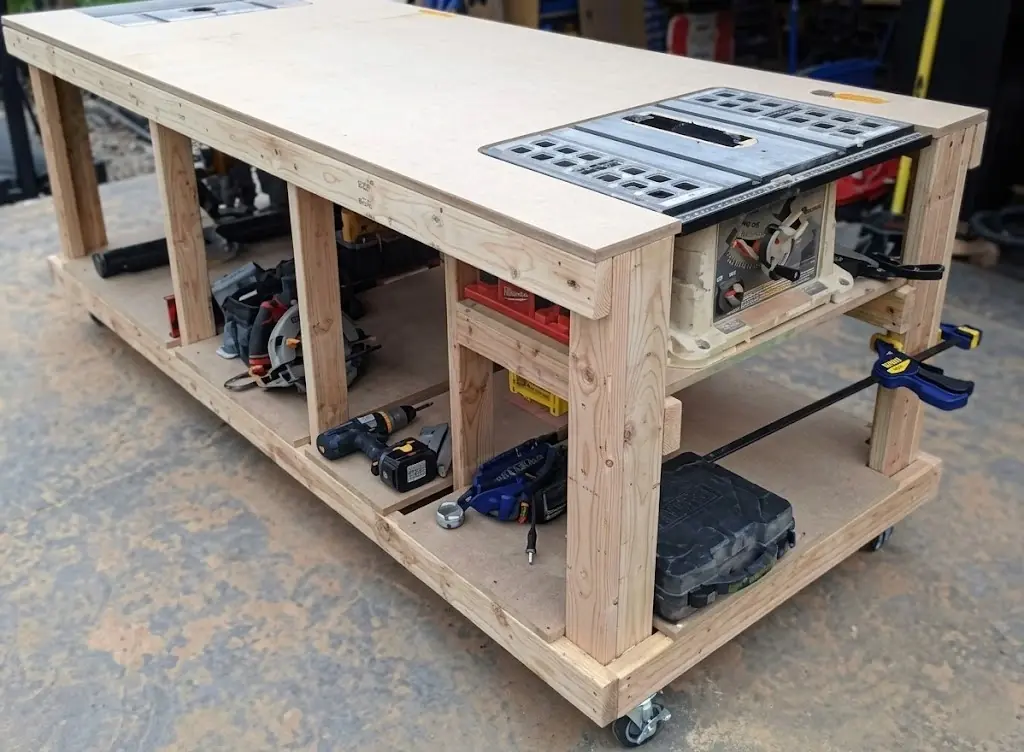
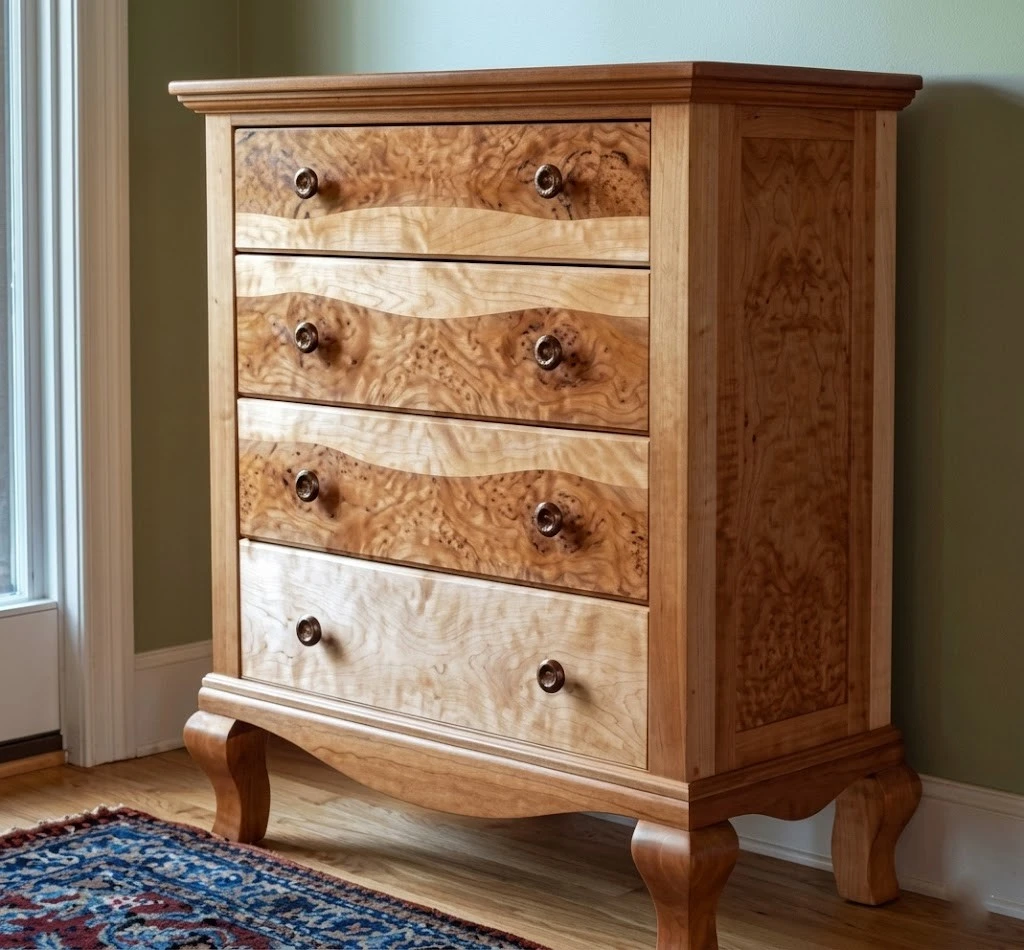
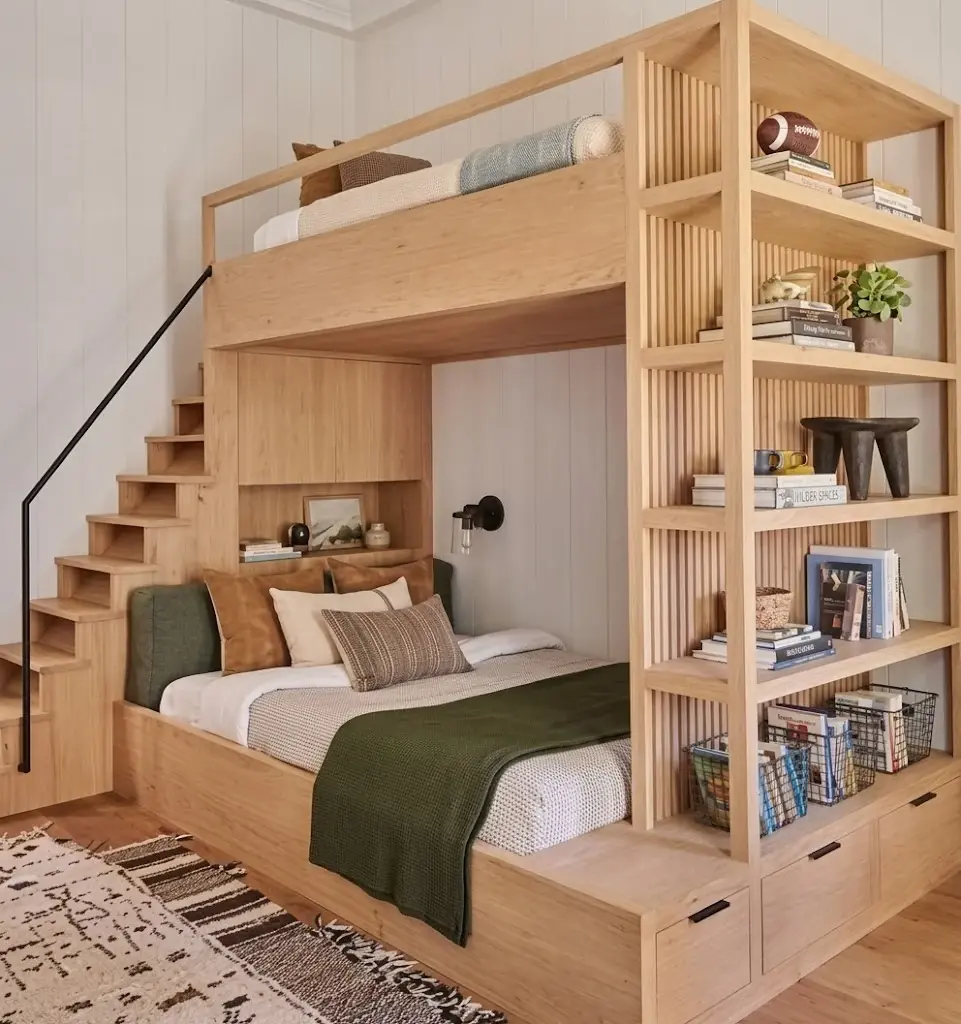
Store-bought furniture splits into two camps: cheap particleboard that sags within two years, or solid-wood pieces priced at $800–$2,400 that you're afraid to put a hot mug on. DIY sits squarely between them. A farmhouse dining table built from construction-grade pine costs $140 in lumber and 12–16 hours of weekend time. The equivalent solid-wood piece at Crate & Barrel starts at $1,299. A platform bed frame costs $150 to build versus $700+ to buy, and the one you build fits your mattress exactly instead of leaving an awkward 2-inch gap on every side.
The payoff isn't just the savings. Homemade furniture lets you pick the wood species, adjust dimensions to the room, and repair the piece in twenty years instead of hauling it to a dumpster when a leg cracks. Every furniture build on this page is documented with a cut list accurate to 1/16″, a bill of materials priced at current Home Depot and Lowe's rates, and photos of every joint as it's assembled.
Furniture projects step up from weekend-beginner builds in three places: joinery, finishing, and material cost. For the builds on this page you'll want a drill/driver, a circular saw or miter saw, a pocket-hole jig (the Kreg R3 at $40 is the cheapest entry), a few clamps, and sandpaper from 80-grit to 220-grit. Pocket holes handle 90% of the joinery on dining tables, bookshelves, and bed frames — no mortise-and-tenon, no dovetails, no specialty tools. Total tool investment for someone starting from zero is $170–$250.
For lumber, most builds use pine, SPF framing lumber, or poplar. All three are under $6 per board-foot at big-box stores. Upgrading to red oak or walnut triples material cost but doesn't change the build process. Finish is personal — stain-and-poly, clear poly, or Rubio Monocoat — and each build on this page includes the specific finish schedule we used and why.
If you've never built a piece of furniture, start with the bookshelf — straight cuts, four identical shelves, no finicky geometry. Move up to the platform bed frame next; it's bigger but easier than it looks because the entire frame hides under a mattress, so small imperfections disappear. The coffee table builds are good mid-skill projects — you'll learn trestle-style joinery and end up with something nice enough for the living room. Save the farmhouse dining table for last. It's the most visible piece in any house, and the surface preparation (glue-up, sanding, finish) is where first-time builders rush and regret it.
Every plan we used came from our 16,000-plan woodworking library — detailed drawings, shopping lists, and alternate dimensions for every project.
Beds, tables, desks, dressers, bookshelves, benches — each with a full cut list, materials list, and assembly diagrams. One-time fee, lifetime access.
Browse the Plans Library →